The WhatsApp AI Opportunity Is Operations, Not Another Chatbot
Meta is making business AI easier to deploy. That makes generic chatbot setup less valuable—and creates a better service opportunity around knowledge, routing, CRM integration, human handoff and measurable business workflows.
 Editorial visualization
The easiest part of selling AI on WhatsApp is becoming the least valuable part: turning on a chatbot. Meta says more than one million businesses are already using its Business Agent on WhatsApp and Messenger, and it is expanding the product globally. The better small-business opportunity is designing the operational layer around the AI: trustworthy business knowledge, routing rules, CRM and booking connections, human escalation, measurement and maintenance.
FACT: Meta is commoditizing basic business AI
Meta introduced Business Agent globally in June 2026 with capabilities including answering business-specific questions, recommending catalog products, booking appointments, qualifying leads, handing conversations to staff and closing sales. Getting started was free at launch. Meta's September 15, 2026 announcement of Meta One then introduced paid business subscriptions with expanded Business Agent allowances, subject to regional availability and account eligibility. In September, Meta also introduced WhatsApp Business Tools MCP to help AI coding agents configure business messaging, templates and webhooks. A service provider must verify the client's actual plan and feature access before quoting. Charging merely to install a generic chatbot is therefore a weak long-term proposition.
Sell the operating workflow instead
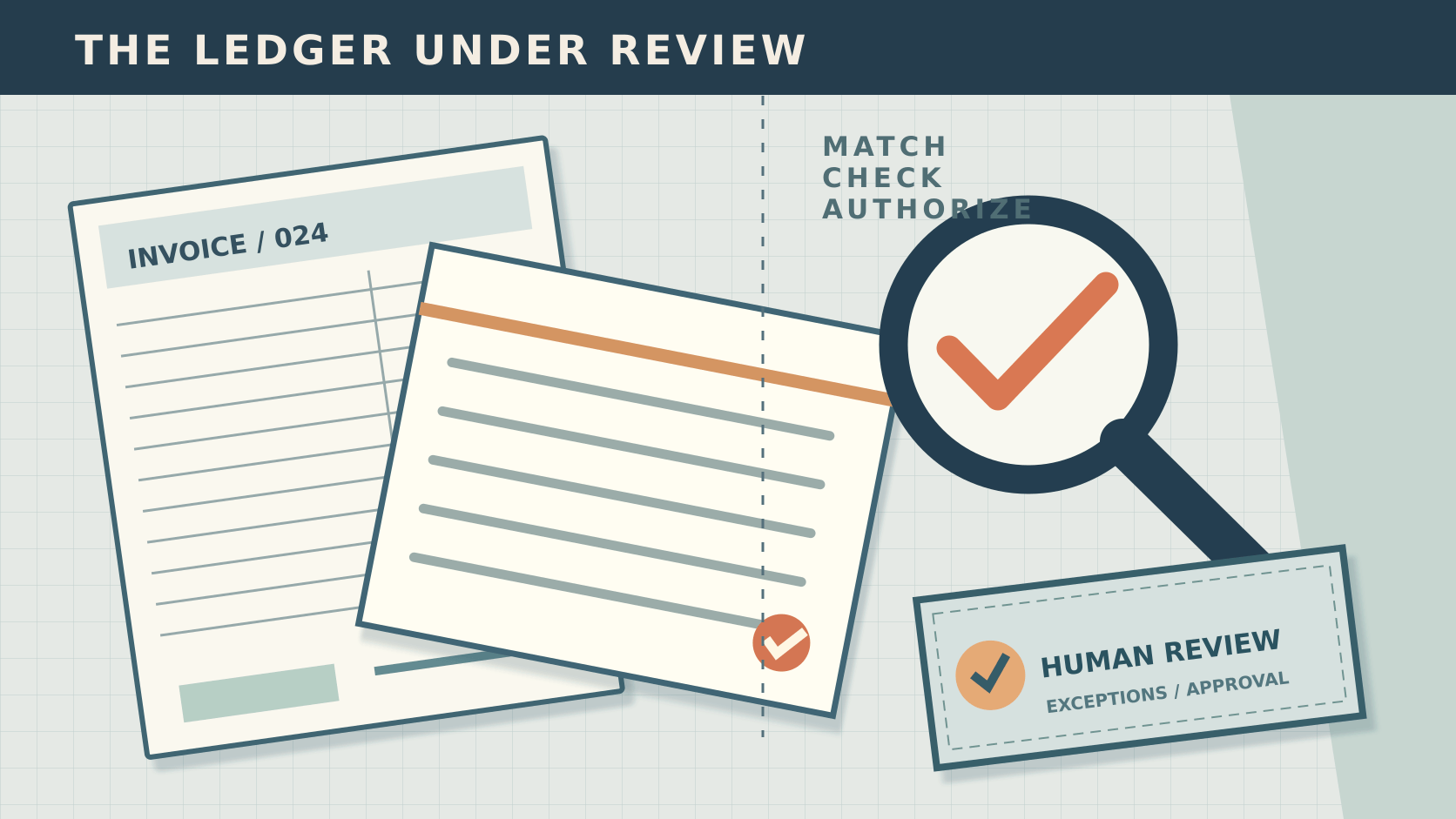
Start with one measurable workflow: qualify inbound leads, route product questions, book appointments, or resolve order-status and policy questions before escalating exceptions. Analyze real conversations; build a canonical knowledge set from verified prices, services, policies, inventory and hours; automate only low-risk intents; define explicit human handoffs; connect only necessary CRM, calendar or order actions; replay historical cases; then launch to a limited audience and review failures weekly.
FACT: business-specific automation remains a legitimate use case
Meta's 2026 restrictions target general-purpose AI assistants using WhatsApp as their primary product. Business-specific AI used as part of customer support and operational workflows remains a legitimate use case. Do not build a generic ChatGPT clone on WhatsApp. Build automation ancillary to a real merchant or service provider's customer relationship.
Messaging economics matter
WhatsApp Business Platform moved to per-message pricing in July 2025, with charges varying by message category and recipient country, and possible business solution provider fees on top. Meta One subscription allowances are a separate commercial consideration: do not assume a subscription makes API messaging free. Quote actual country/category rates and current plan terms before signing a client. Follow opt-in and template requirements, honor opt-outs, minimize retention of customer data, and disclose when customers are interacting with automation where required by applicable law or platform policy.
ESTIMATE: costs and time to first result
For a small business with a few hundred meaningful inbound conversations per month, a focused pilot can often be designed and tested in roughly one to three weeks. Incremental software and model costs can plausibly stay in the tens to low hundreds of dollars per month, excluding existing CRM/helpdesk subscriptions, WhatsApp message charges and labor. A freelancer or small agency might test fixed-scope pilots around $500–$2,000 depending on integrations and data cleanup. These are planning estimates, not marketplace averages or promised returns.