Museum images can travel without losing all their context
IIIF separates image delivery from the information needed to present a collection. That makes reuse more practical, but it does not erase rights or provenance.
 Editorial visualization
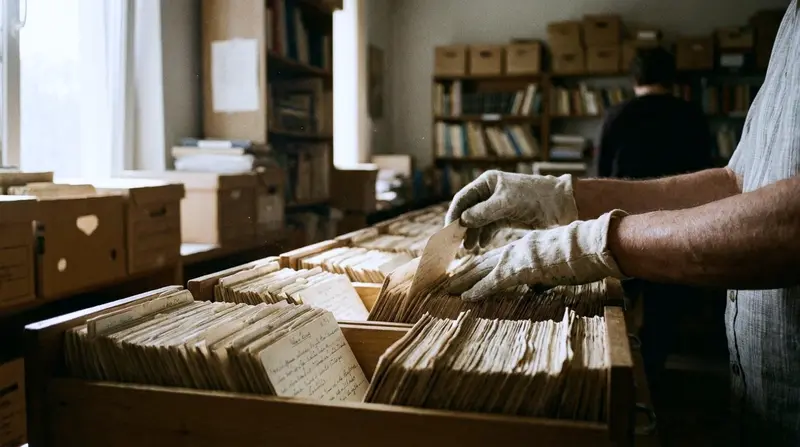
A museum’s digitized image can be more useful than a picture embedded in one web page. The International Image Interoperability Framework, usually shortened to IIIF, provides shared ways to deliver images and describe how digital objects should be presented.
The image and the object are different layers
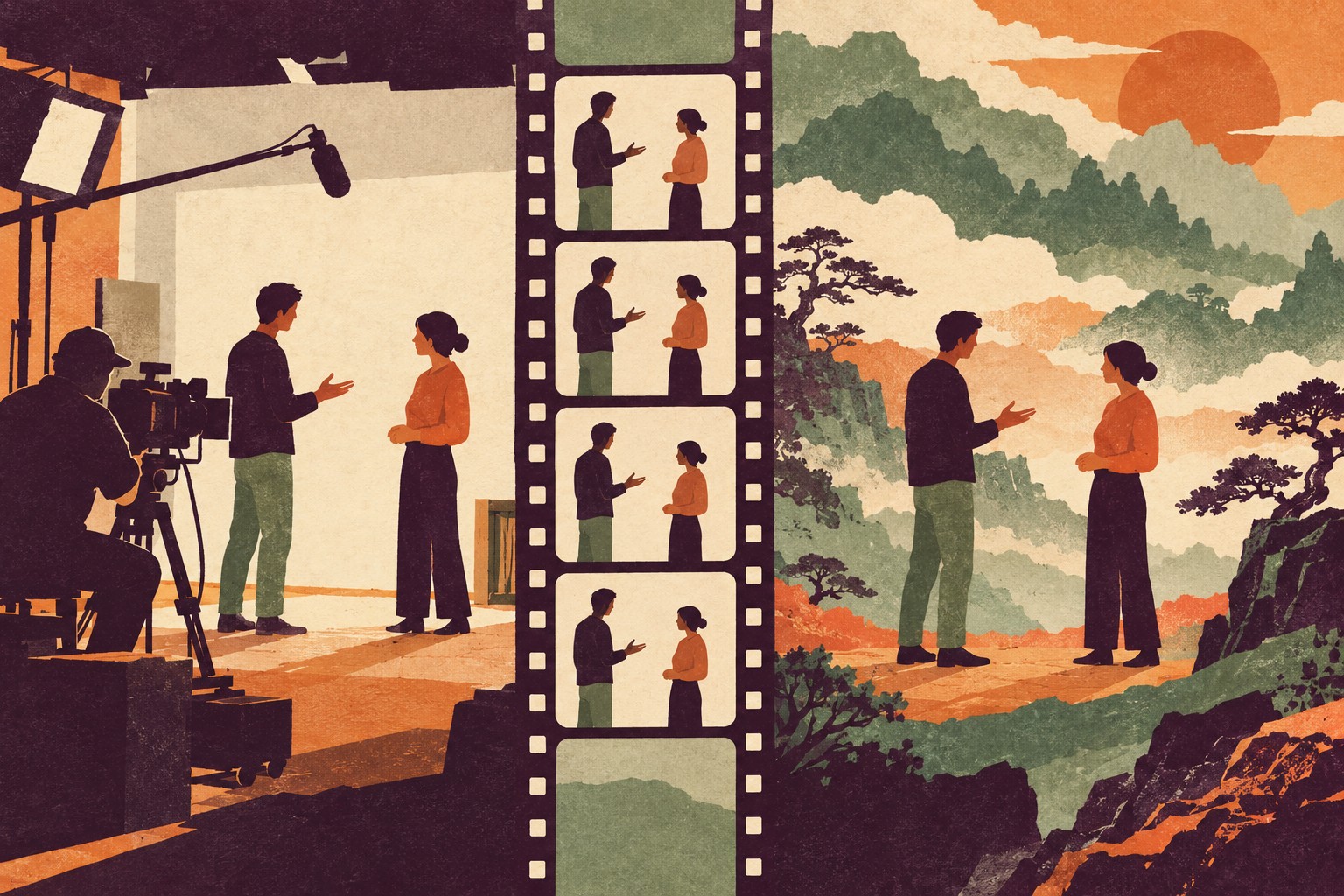
The Image API defines requests that can specify a region, size, rotation, quality and format. A viewing application can ask for the part or representation of an image it needs instead of treating a single uploaded file as the only possible view.
The Presentation API addresses another problem: how to supply the structure and context for an object. A Manifest can describe a sequence of Canvases, with content and descriptive information attached. For a digitized book, that is more useful than a folder of pictures whose reading order must be guessed.
Shared tools do not mean identical collections
IIIF’s museums community describes benefits including dynamic image derivatives and exhibitions that use material from multiple repositories. It also identifies both open-access and restricted-content workflows. Interoperability concerns how compatible tools exchange and present resources; it does not require every institution to publish under the same access conditions.
The specifications include rights information and required attribution statements. The Image API also explains that access control is handled through a wider authorization workflow rather than a new image-only login mechanism. A resource being viewable in a compatible reader should not be mistaken for a blanket permission to republish it.
Why this matters beyond the zoom button
Our reading: the interesting change is not simply sharper zoom. Shared delivery and presentation conventions can reduce the custom work needed to compare or exhibit material from different institutions. The reader still needs to know what an object is, where it came from and which conditions apply to its use.
Publication history
— First published.
How this was made
UpThat uses AI-assisted research and writing. Source checking and publication follow our editorial review workflow. See the original documents above to assess the reporting.
How we use AI ↗