ChatGPT Search Is One-Fifth the Size of Google’s, OpenAI Says. That Is Not Market Share.
OpenAI's newly reported search-like query volume is striking, but it measures something different from search-engine market share or traffic to websites.
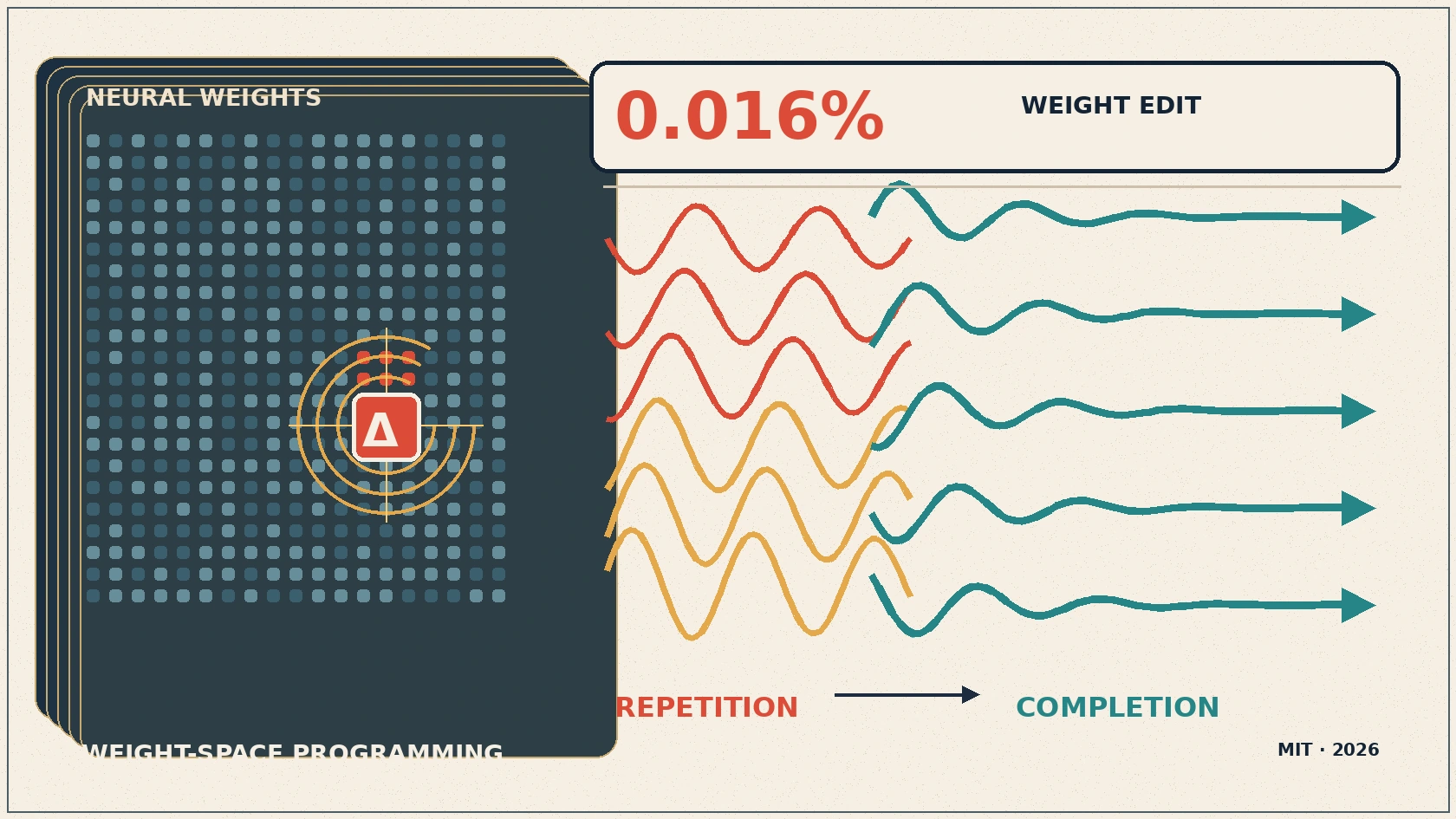
 Editorial visualization
ChatGPT now handles search-like queries equal to roughly one-fifth of Google’s search volume, according to OpenAI. The claim, disclosed by ChatGPT consumer product lead Adam Fry during a discussion in New York and reported on 3 November 2026, is a useful sign of how quickly conversational search has grown. It is not, however, proof that ChatGPT holds 20% of the search market.
The original disclosure appeared in Big Technology’s account of the discussion. Fry described the scale of ChatGPT usage alongside other product metrics; the comparison was not accompanied by independent audited query data.
What OpenAI actually counted
The key word is 'search-like.' OpenAI counts a ChatGPT request as a search when it triggers a web lookup. An ordinary conversation, explanation or request that can be answered without the web does not necessarily enter that count. Google has its own enormous volume of searches and a different product boundary. Without aligned definitions, sampling windows and independent access to either company’s underlying data, the one-fifth ratio cannot establish a like-for-like market-share figure.
The comparison still matters. A user asking ChatGPT to compare products, research a problem or find a source may be performing an information task that previously began in a conventional search box. That introduces a meaningful new distribution layer between businesses, publishers and audiences. But the substitution is uneven: local navigation, shopping, images, maps, habitual queries and research sessions can behave very differently.
Search Engine Journal emphasized the measurement distinction and noted that traffic referrals still tell a separate story. A model answering a question with citations does not necessarily send a click to a cited page.
Query share, audience share and referral share are three different things
An individual might search Google ten times, conduct one long ChatGPT research session and visit a website only after asking follow-up questions. Treating those acts as equivalent 'searches' obscures how much attention, commercial intent and external traffic each service creates. A company could handle an impressive number of AI-assisted searches and still send relatively few visitors to independent websites.
That distinction is critical for publishers. Their financial question is not simply whether an answer engine is popular. It is whether their reporting is discovered, accurately attributed and rewarded with measurable visits, subscriptions or transactions. A rising number of AI queries can increase exposure to cited sources without recreating the click economics of the traditional search results page.
The Verge reported the same OpenAI figure and highlighted the lack of clarity about the denominator. The source of OpenAI’s Google-volume comparison was not disclosed.
What site owners should measure next
The practical response is to separate discovery channels. Track branded searches, Google organic visits, referrals from AI products when available, direct traffic, conversion and whether source attribution is present in AI answers. Preserve crawlable pages, unambiguous titles, factual descriptions and structured information; those are good practices for readers and machines alike. Do not assume a single optimization trick guarantees inclusion in an AI answer.
For search businesses, the competitive question has changed from 'which service has the most searches?' to 'where does a user finish the task?' OpenAI’s claim points to real competition for the beginning of an information journey. It says far less about which company captures the end of that journey, how advertisers will value it or whether publishers retain a viable share of the economics.
Publication history
— First published.
No published corrections or earlier versions.
How this was made
UpThat uses AI-assisted research and writing. Source checking and publication follow our editorial review workflow. See the original documents above to assess the reporting.
How we use AI ↗