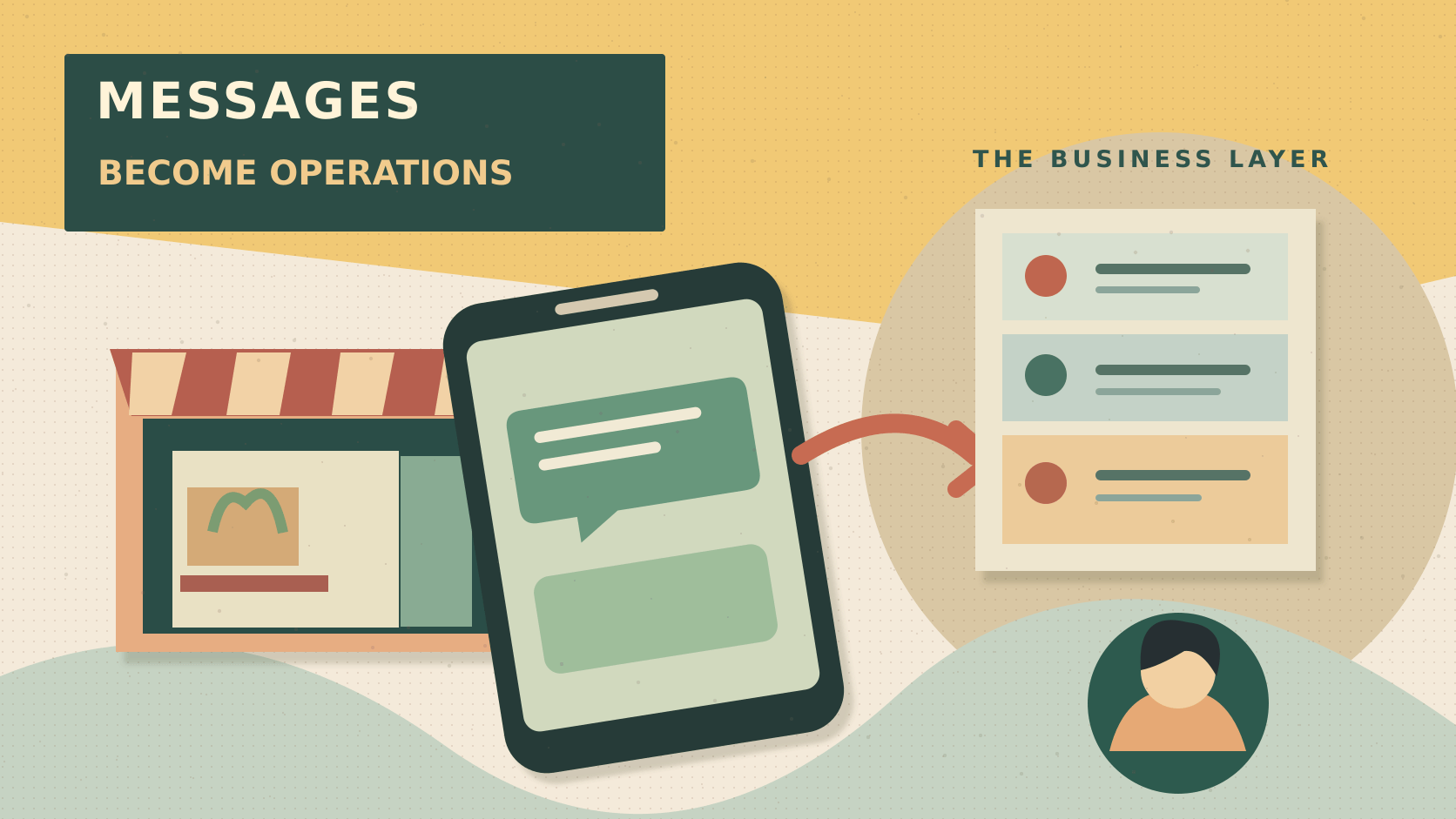
Shopify’s AI Can Run More of the Store. The Service Opportunity Is Fixing the Operations Underneath It
Sidekick can now analyze inventory, build workflows and generate internal apps. That makes clean product, supplier, stock and returns data more valuable than another generic AI automation pitch.
 Editorial visualization
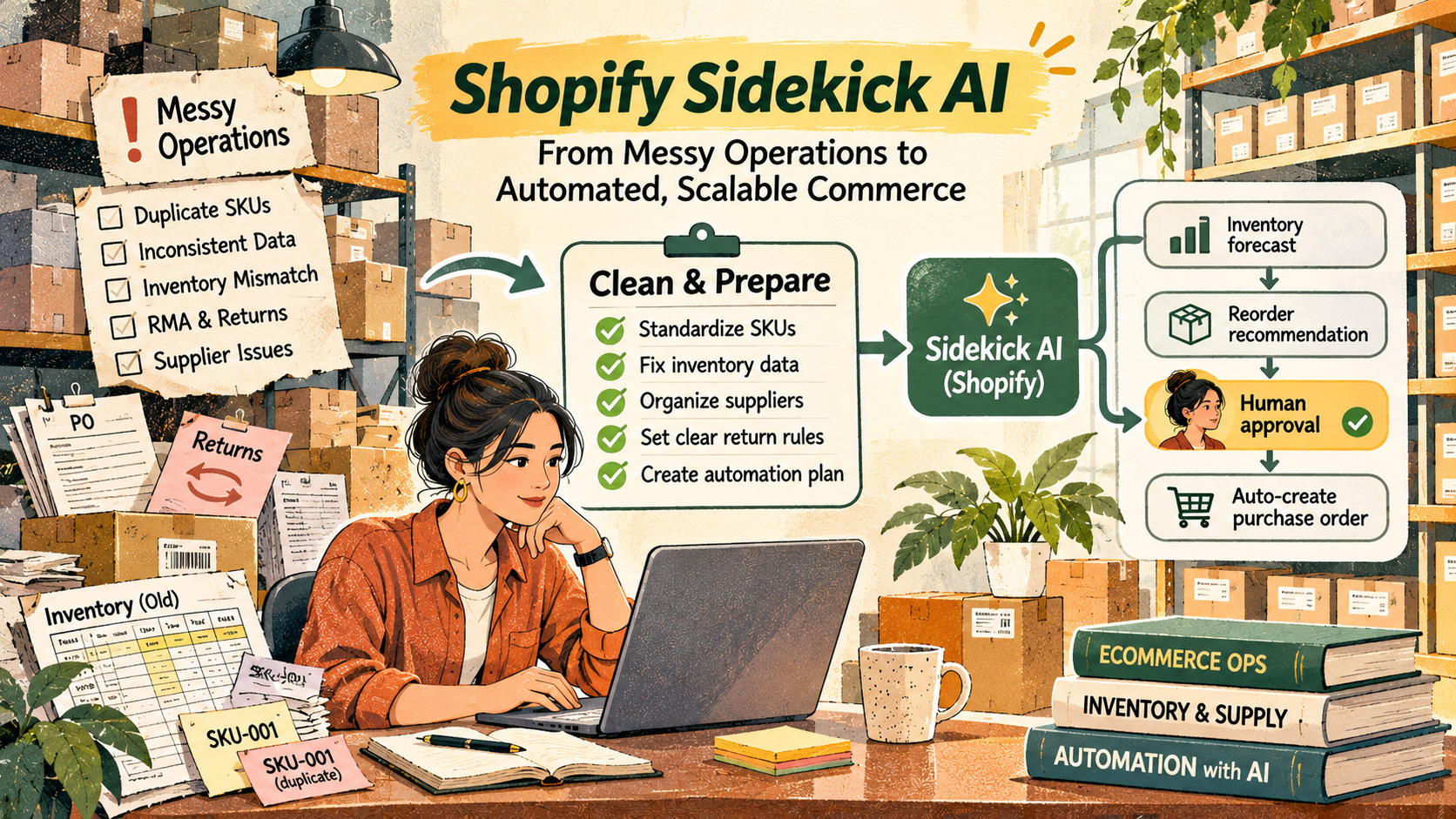
Shopify spent 2026 turning work that once justified an ecommerce-operations consultant into native features. Sidekick can work from store data, build Shopify Flow automations, calculate against store data, remember reusable instructions and, on eligible plans, generate internal apps. In June Shopify also described Sidekick analyzing inventory, recommending reorder quantities and creating purchase orders. The opportunity is moving down a layer: merchants need trustworthy operational data and rules before agents can safely act.
FACT: automation is becoming native
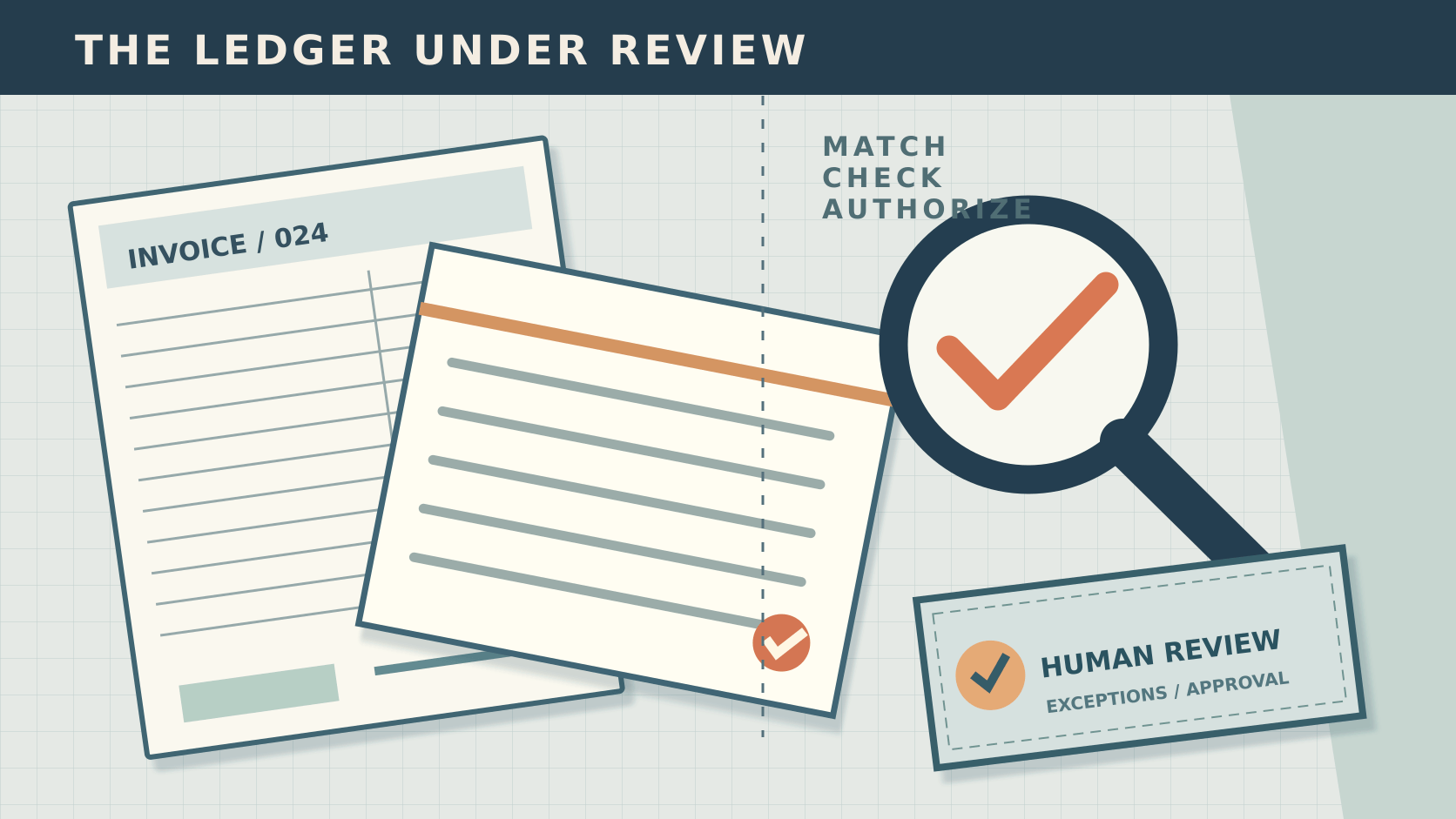
Shopify’s current documentation says Sidekick presents store changes for review before they are applied, can plan multi-step tasks, build Flow workflows and run calculations. Shopify separately warns that AI output can contain errors and merchants should review AI-created or modified material before applying it. For inventory, Sidekick can read stock, sales velocity, incoming inventory and committed orders; recommend reorders; create purchase orders; identify dead stock; and help interpret returns.
Shopify is also lowering the barrier to internal tooling. On Grow, Advanced and Plus, Sidekick can generate apps inside the admin. Shopify’s examples include reorder recommendations, discounted checkout links, customer-specific discounts and team task trackers. Shopify explicitly tells merchants to test generated apps because they can change customer-visible store data.
The sellable service: operations cleanup before automation
Export products, variants, inventory locations, suppliers, purchase orders and returns. Find duplicate SKUs, inconsistent vendor names, contradictory product attributes, impossible stock levels, missing lead times and free-text return reasons. Establish canonical records, source-of-truth ownership, reorder rules, return taxonomy, permissions and exception thresholds. Only then add Sidekick skills, Flow automations or generated apps.
Start with one low-risk workflow: for example, flag low-stock products and prepare a reorder recommendation without sending the purchase order automatically. Replay historical cases against experienced operator decisions, fix the rules, then launch under review. Product copy needs the same discipline: Shopify warns AI-generated descriptions can invent benefits, care instructions or guarantees, while the merchant remains responsible for accuracy.
ESTIMATE: economics and time-to-result
Shopify’s current US annual-billing prices are $29/month for Basic, $79 for Grow and $299 for Advanced; Sidekick is included, while generated apps require Grow or higher. For an existing merchant, incremental AI cost can therefore be small. A freelancer or agency could test a $750–$3,000 fixed-scope implementation covering audit, cleanup rules, one or two workflows, historical evaluation, documentation and monitored launch. That is a planning estimate, not a reported market rate. A small implementation may take one to three weeks.
Measure reconciliation hours, stock discrepancies, emergency reorders, purchase-order corrections, return classification coverage and human overrides. Do not use number of AI automations as the KPI. This is a poor offer for a tiny new store with little operational history, and it fails when automation is added before anyone decides who owns the underlying data.