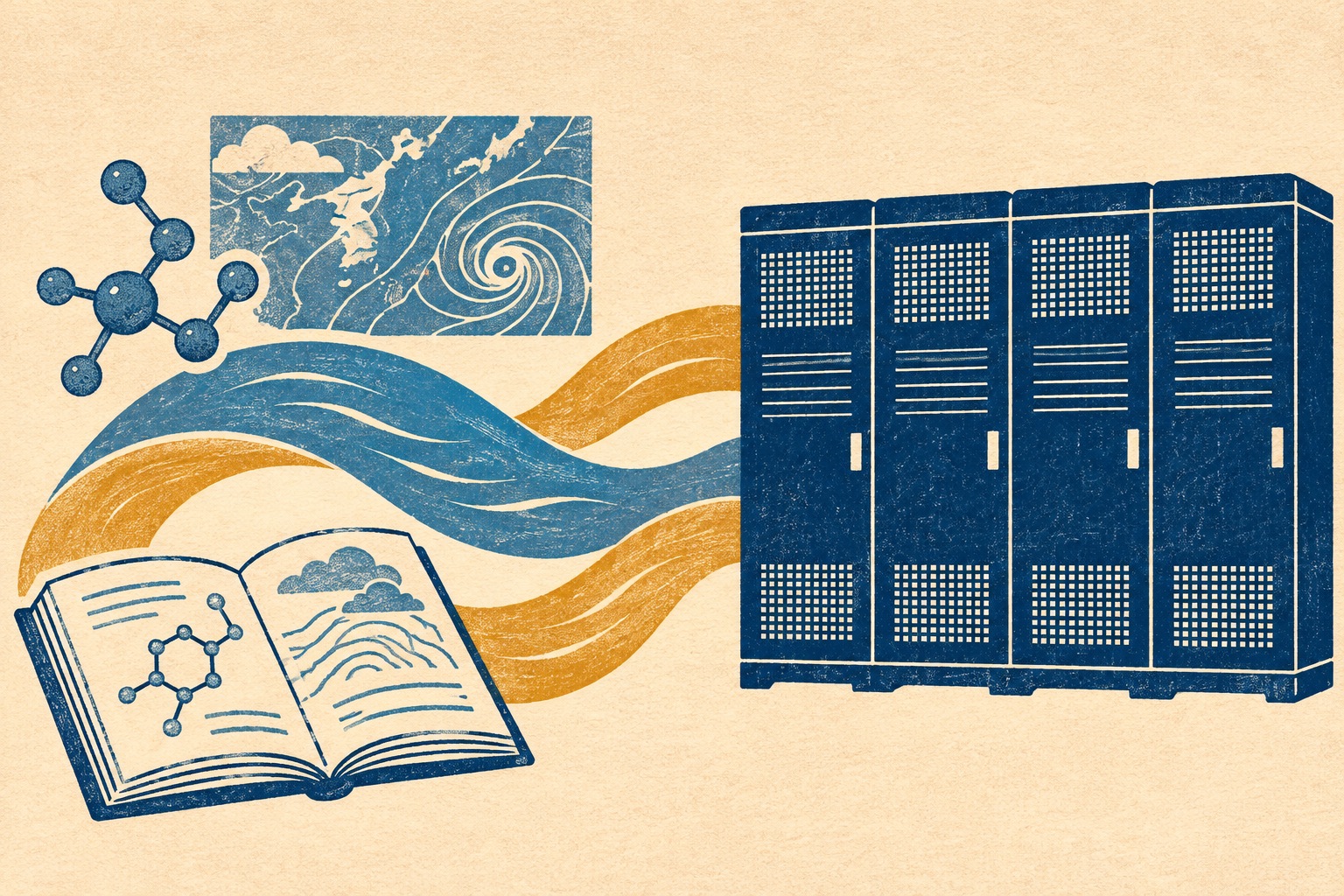
NVIDIA’s Oracle expansion puts the work between AI answers in focus
Vera Rubin reaches Oracle’s cloud as the companies plan a much larger buildout. The less obvious story is the CPU capacity needed to keep AI agents moving.
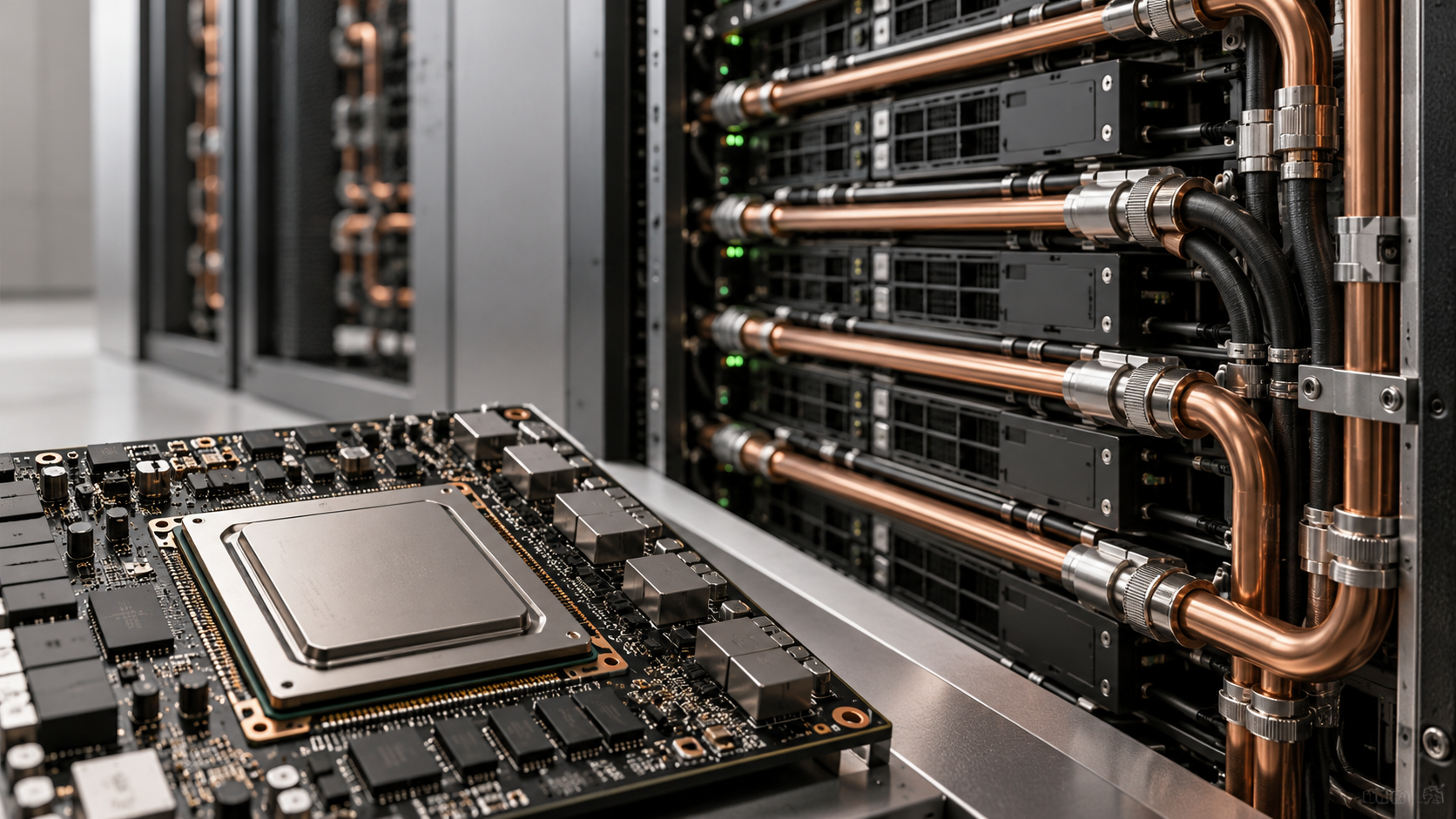 Editorial visualization
An AI agent can finish generating a piece of code and still have plenty of work left: run it, inspect the result, retrieve more information, then ask the model what to do next. That gap between model calls is part of the infrastructure problem NVIDIA and Oracle are now addressing.
On October 27, the companies announced general availability of NVIDIA Vera Rubin NVL72 systems and standalone Vera CPUs on Oracle Cloud Infrastructure, alongside plans to expand OCI Superclusters to multi-gigawatt scale. These are different milestones. The availability announcement concerns services customers can begin accessing; the larger buildout remains a plan, not a statement that all that capacity is already operating.
For developers, the useful question is how the GPU doing the model’s calculations connects to the ordinary computing work around it. A larger accelerator fleet does not, by itself, make every step of an agent faster.
The pause between model calls
Oracle’s Vera CPU announcement describes orchestration, tool execution and retrieval as CPU workloads. When an agent needs the output of one of those operations before continuing, that operation sits directly in its response path. Faster model inference cannot remove a delay in a tool the model is waiting for.
Vera is being offered as a standalone CPU platform as well as appearing inside the integrated Vera Rubin system. Oracle lists bare-metal and flexible virtual-machine options. The distinction matters: customers can add capacity for the services surrounding a model without treating every service as another GPU job.
The performance headline needs care. Oracle cites NVIDIA’s claim of up to 80 percent faster agentic CPU performance against leading x86 CPUs, but explicitly says this comes from NVIDIA platform benchmarks, rather than OCI instance-level testing. It is not evidence that an entire application will run 80 percent faster. The same page also says Vera CPUs will be available in selected regions this quarter, so the general-availability label should not be read as universal regional access.
A rack is only part of the buildout
At the GPU end, the joint announcement describes NVL72 racks connecting 72 GPUs through NVLink. It also sets out a planned smaller option: an eight-GPU HGX Rubin NVL8 system using x86 processors. That configuration is a future offering, not another service the announcement establishes as generally available.
Moving from racks to campuses adds physical constraints. Oracle’s infrastructure overview describes gigawatt-class sites with liquid cooling and power delivery engineered for dense, multi-rack systems. It says capacity is intended to move between training and production inference as customer needs change. That is the operating ambition behind the expansion, rather than a guarantee of utilization or lower bills.
The application-level implication is straightforward: measure where time is actually going. A workflow dominated by model generation has a different bottleneck from one spending much of its time running code or fetching data. That is an engineering inference from the split architecture, not a benchmark result from this launch.
Oracle is widening its options, too
The NVIDIA expansion sits within a broader supplier strategy. In a separate October 27 overview, Oracle said it plans to bring Google TPUs to OCI starting in 2027, with Cerebras also planned for 2027, and to add SambaNova systems. Those are prospective services. They nevertheless show why the NVIDIA announcement should not be interpreted as an exclusive commitment to one chip architecture.
For an enterprise building agents, the next useful evidence will be regional availability, workload-specific tests and the cost of completing an actual task. The question is whether the model, its tools and the infrastructure between them finish the job efficiently together.
Publication history
— First published.
No published corrections or earlier versions.
How this was made
UpThat uses AI-assisted research and writing. Source checking and publication follow our editorial review workflow. See the original documents above to assess the reporting.
How we use AI ↗