Why backup batteries can give power grids a one-minute pulse
A new study links recurring frequency disturbances to synchronized software checks in backup-power systems. Spreading those checks out could reduce the effect.
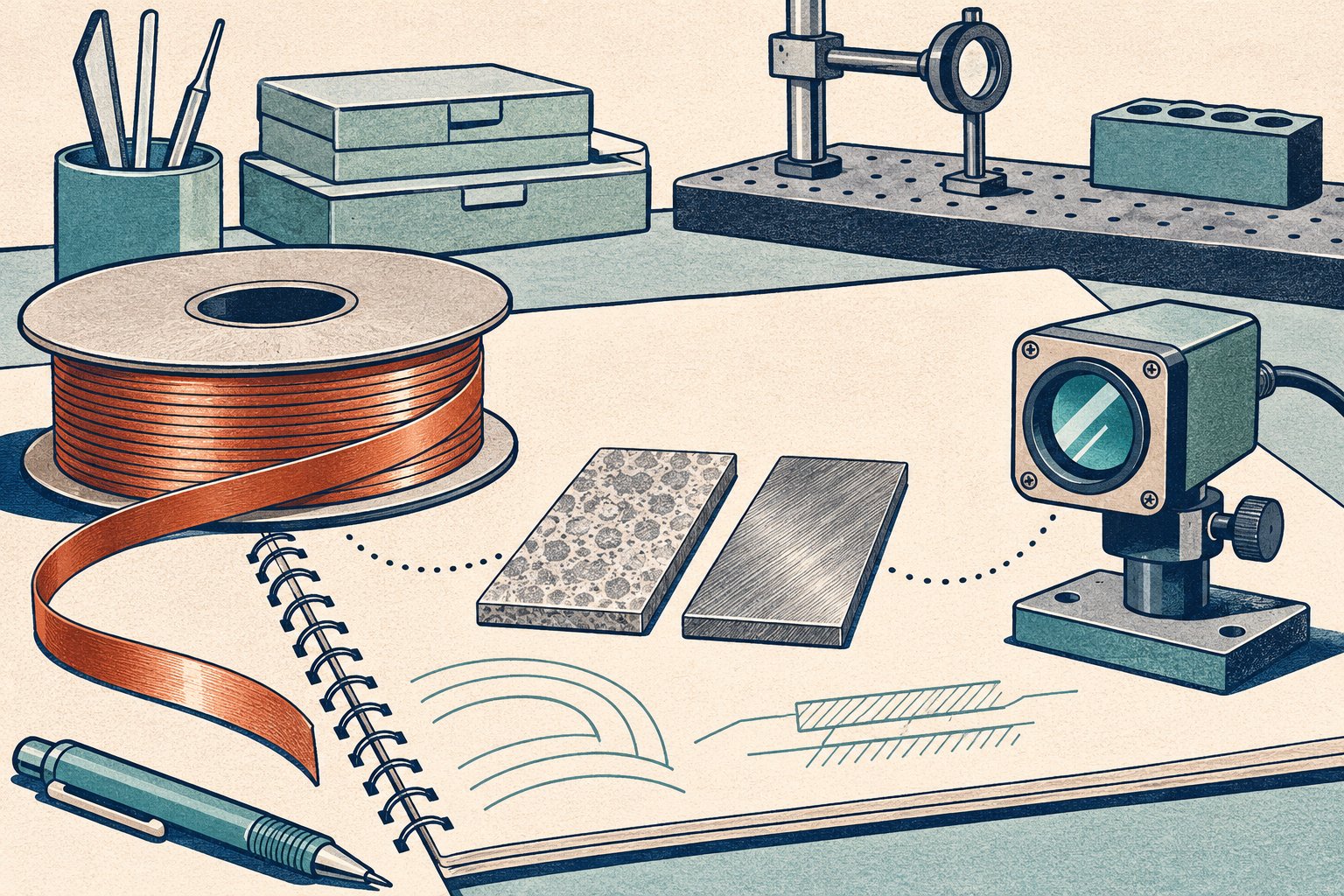
 Editorial visualization
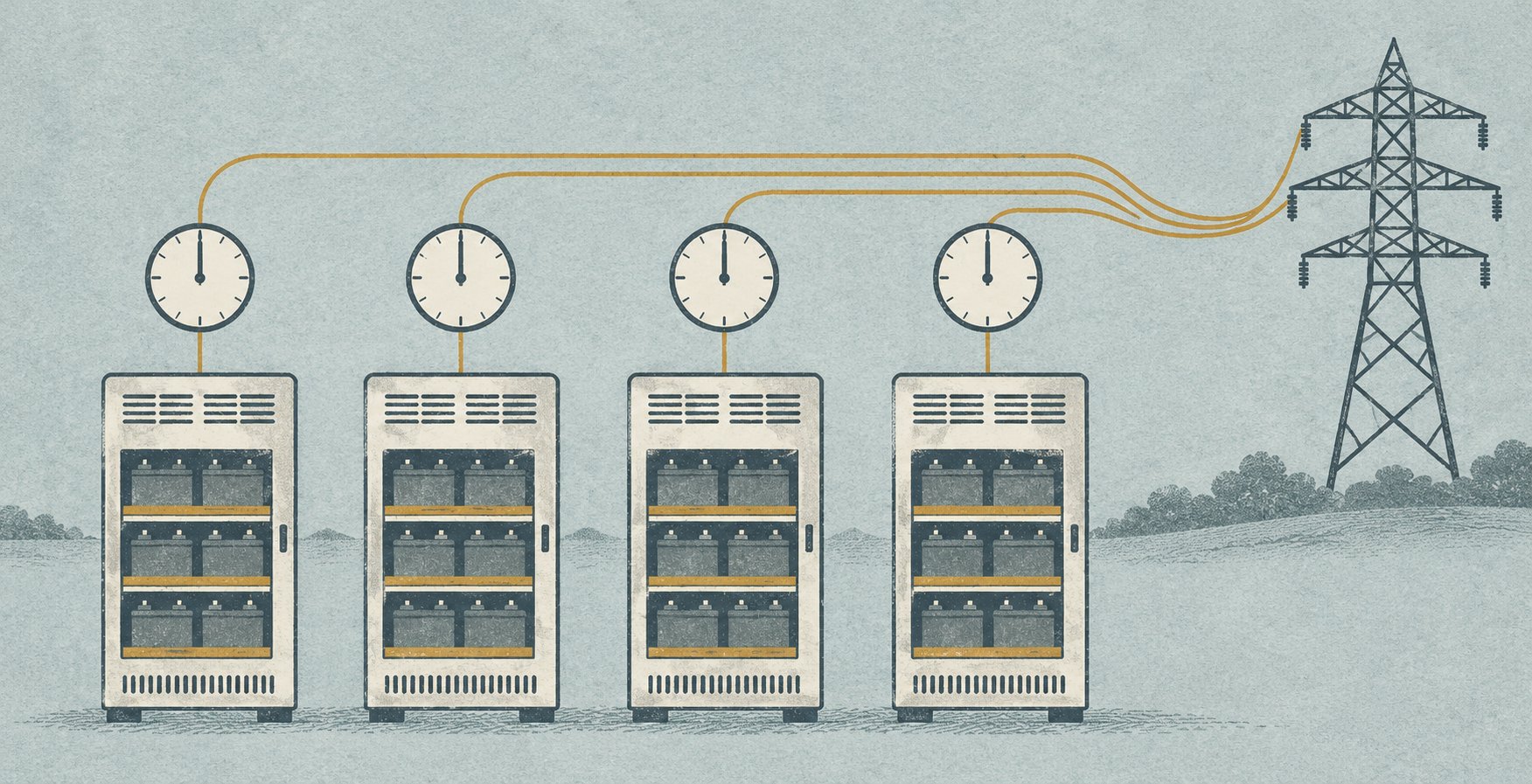
A battery backup system can do its own job correctly while adding to a disturbance elsewhere. If many systems run a power check at the same moment, their small, repeated demands can combine into a pulse visible across an electricity grid.
A study published in Nature Energy on October 30 traces a persistent one-minute pattern in grid frequency to clock-synchronized control software, particularly in uninterruptible power supplies, or UPSs. The researchers examined grids on five continents. Their findings connect the timing of digital routines with the physical work of balancing electricity.
Frequency is a useful clue because it reflects the balance between generation and consumption. Germany’s energy regulator explains through its SMARD information service that Continental Europe operates at 50 hertz. A mismatch changes that frequency, and transmission system operators use balancing reserves to help restore the balance.
Following the pulse
Researchers led by Forschungszentrum Jülich investigated the pattern using measurements on the institution’s campus. Jülich’s account describes monitoring at 80 locations: the recurring consumption pattern appeared where battery systems provided backup power. A closer look at one installation revealed a demand spike at the start of each minute during its check.
The paper follows the evidence further, tracing periodic battery-current peaks through the UPS and transformers to the connection with the public 110-kilovolt grid. A manufacturer confirmed that periodic self-tests produced the peaks in the investigated equipment.
That local trace is stronger evidence than a matching rhythm alone, but it does not identify every device behind the worldwide pattern. The paper presents synchronized control as a broader mechanism; other digitally controlled loads may contribute. It also states that the observed signal has not reached a safety-critical level.
Changing the schedule
Jülich researcher Dirk Witthaut proposes distributing checks randomly instead of starting them together. The idea preserves the checks while reducing the coincidence of their demand. It addresses when equipment draws power, rather than requiring backup batteries to stop doing their job.
The paper reports a manufacturer software update that removed strict periodicity in one battery block of the studied UPS. Yet tests still occurred at discrete times, so the authors describe the underlying problem as only partly resolved. A change in one installation is a demonstration of feasibility, not a completed fix across power grids.
Publication history
— First published.
No published corrections or earlier versions.
How this was made
UpThat uses AI-assisted research and writing. Source checking and publication follow our editorial review workflow. See the original documents above to assess the reporting.
How we use AI ↗