AI Can Clean the Spreadsheet. The Service Opportunity Is Making the Data Trustworthy.
ChatGPT now works directly inside Excel and Google Sheets. That makes basic cleanup easier — and shifts the valuable work toward data rules, reconciliation, exception review and repeatable reporting systems.
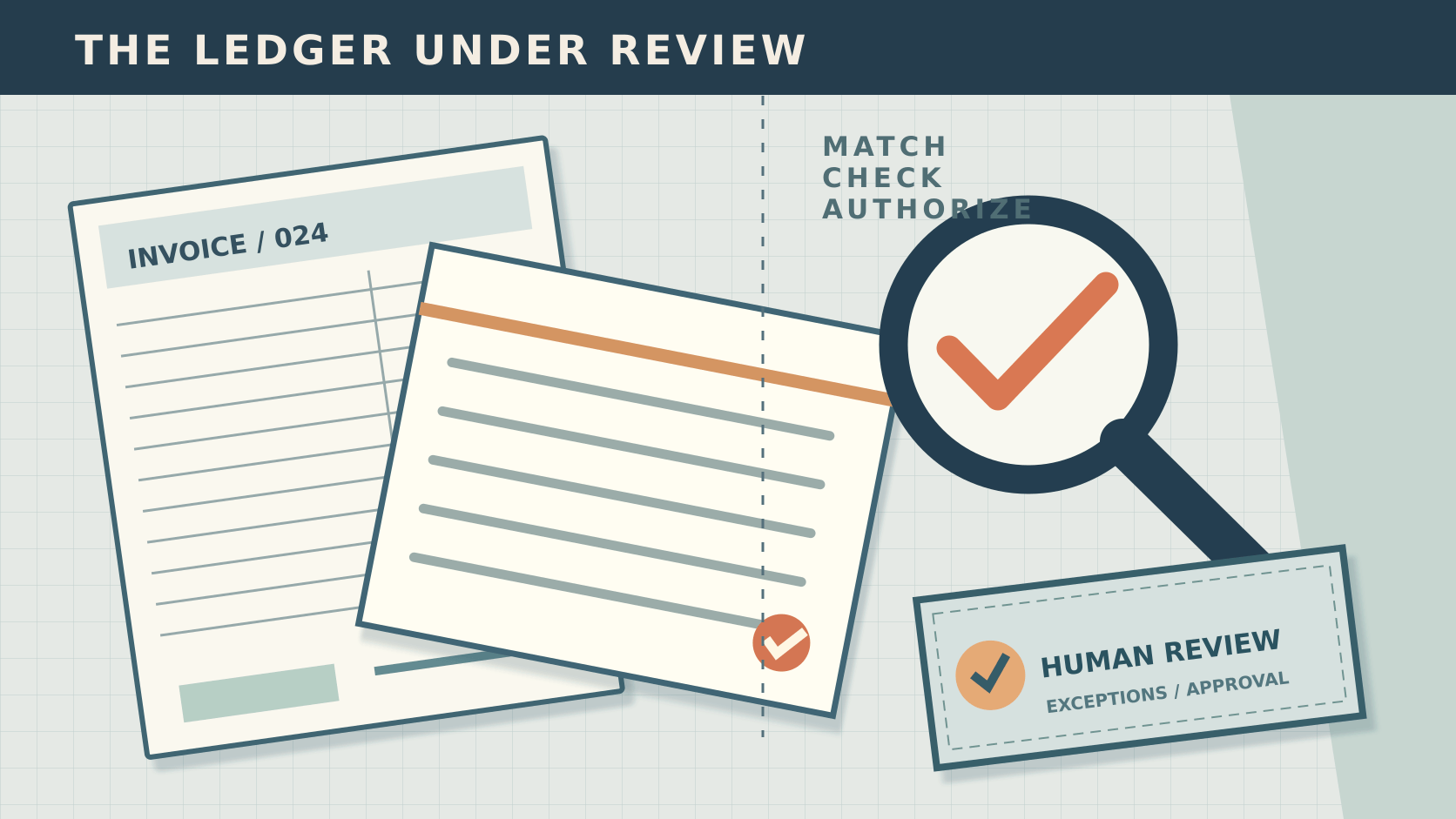
A new class of spreadsheet AI can now edit the workbook itself. That makes one of the oldest freelance tasks — cleaning CSVs, fixing formulas and assembling recurring reports — faster to execute. It does not make trustworthy business data automatic. The service opportunity is moving up a layer: define what the data is supposed to mean, let AI accelerate the mechanical cleanup, and build checks that catch mistakes before a manager relies on the result.
The capability changed in 2026
FACT — OpenAI launched ChatGPT for Excel on March 5, 2026 and added ChatGPT for Google Sheets in beta on April 22. The tools work inside spreadsheets and can build, update and explain workbooks using natural language, including multi-tab files with formulas, references and assumptions. OpenAI now says the spreadsheet tools are available globally across Free, Go, Plus, Pro, Business, Enterprise, Edu and K-12, with usage limits or credits varying by plan.
That shrinks the commodity part of spreadsheet consulting. A client no longer necessarily needs someone to spend an afternoon standardizing dates, explaining a formula, locating obvious duplicates or rebuilding a simple variance table by hand. Charging primarily for those keystrokes is therefore a weak long-term position.
Sell a data contract, not a cleaned file
Before touching the client's rows, define canonical column names and types, unique identifiers, allowed category values, date and currency conventions, the source of truth for conflicting records, reconciliation totals, formula tests and an exception queue for cases that cannot be resolved safely.
Then use spreadsheet AI for bounded mechanical work: normalize formats, propose mappings for inconsistent categories, identify possible duplicates, explain formulas, flag anomalies and draft reconciliation logic. Every ambiguous merge, unexplained hard-coded number, consequential formula change and exception should remain reviewable by a person.
The result should not be a one-time clean file. Build a monthly or weekly workflow: raw exports arrive; validation rules run; exceptions are reviewed; a clean master table is produced; management reports refresh; and changes are logged. That turns low-value cleanup into operational infrastructure.
A practical 30-day pilot
Week one: collect two or three representative exports and a previous report, then interview the person who currently reconciles them. Record where totals disagree, which columns are manually corrected, which categories drift and which formulas are copied forward. Week two: write the data contract and build a clean master workbook while preserving untouched source copies. Create deterministic checks for row counts, totals, duplicate keys, required fields and formula outputs.
Week three: replay at least one historical reporting cycle. Compare the new output with what the business actually submitted or approved and investigate every material difference. Week four: run the next live cycle with human approval. Measure manual cleanup time, unresolved exceptions, corrections after review, reconciliation differences and time from raw export to usable report. Only automate additional steps after the first workflow is stable.
Economics: cheap tooling does not mean cheap responsibility
FACT — OpenAI says spreadsheet usage depends on workbook size and task complexity. For Business and Enterprise, Excel and Sheets use the broader agentic credit framework; OpenAI's current rate card says a typical spreadsheet task may consume roughly 5–20 credits per message, although actual consumption varies by model and task.
ESTIMATE — For a small business that already uses Excel or Google Sheets and already pays for an eligible ChatGPT plan, incremental software expense can be low. A freelancer could test a fixed-scope $300–$1,500 engagement for one messy recurring workflow, depending on row count, number of sources, formula complexity and required controls. That range is a planning assumption, not a market-rate claim. A stronger recurring offer is monthly reconciliation and exception review after the initial system is proven.
Time to first technical result can be hours. Time to trustworthy evidence is longer: at least one historical replay plus one live reporting cycle is a more defensible minimum than declaring success after the first cleaned spreadsheet.
Privacy and permissions are part of the work
FACT — OpenAI says data from ChatGPT Business, Enterprise, Edu and its API is not used to train models by default. That does not mean every payroll file, customer list or financial export should be uploaded indiscriminately. The client's Microsoft or Google agreements, workspace permissions, retention requirements and applicable privacy obligations still matter.
Do not delete suspected duplicates without understanding whether two rows represent separate transactions. Do not standardize categories without a canonical mapping. Do not replace formulas merely because AI calls them unusual. A polished dashboard built on unreconciled inputs is worse than an ugly spreadsheet because it makes bad data easier to trust.
Who this is for — and where it fails
This is a strong fit for agencies, ecommerce operators, service businesses and small finance or operations teams that repeatedly combine exports from several systems and still spend hours cleaning them by hand. It is a poor fit when the client has no owner for the data, cannot explain what the numbers should reconcile to, or expects a freelancer to certify accounting, legal, tax or compliance correctness outside their expertise.
FACT — AI can now work directly inside Excel and Google Sheets, with business-grade privacy and administration controls. ESTIMATE — a narrow cleanup-and-control project can become useful within one or two reporting cycles if it measurably reduces reconciliation work without increasing errors. SPECULATION — generic spreadsheet freelancing will lose pricing power as direct-editing AI improves; the durable work will be defining data semantics, controls, exception handling and repeatable operating processes.
That is the opportunity: do not sell “I can ask AI to fix your spreadsheet.” Sell a system in which the business can explain where every important number came from, reproduce the workflow next month and know which exceptions still require a human.
Publication history
— First published.
No published corrections or earlier versions.
How this was made
UpThat uses AI-assisted research and writing. Source checking and publication follow our editorial review workflow. See the original documents above to assess the reporting.
How we use AI ↗