ADNOC’s OpenAI deal targets the decisions between the oilfield and the market
The partnership with G42 aims to connect technical planning and commercial choices. Its promised benefits still need evidence from deployment.
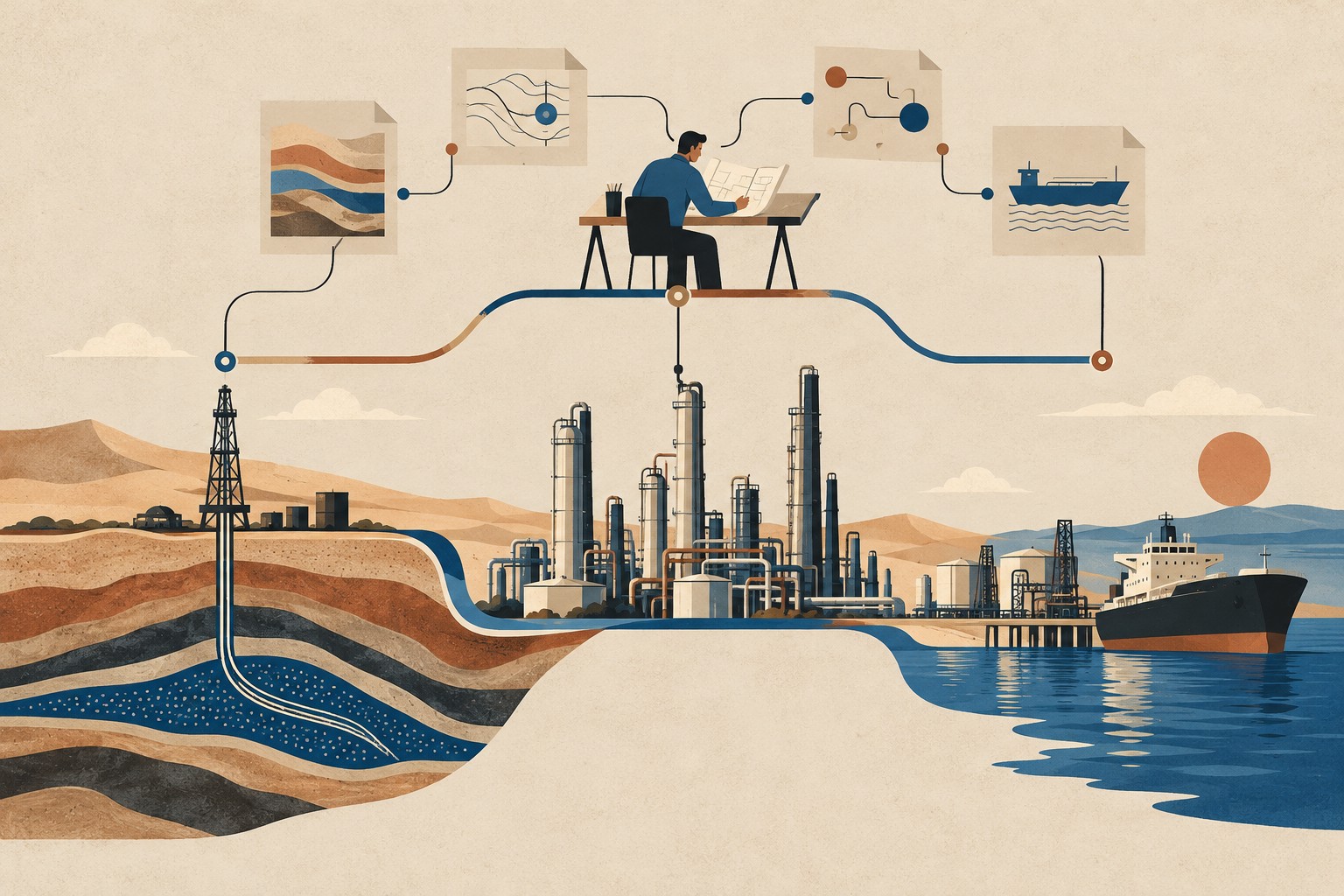 Editorial visualization
ADNOC and G42 signed an agreement with OpenAI on November 2 to bring advanced AI across the Abu Dhabi energy company’s operations. Announced at the ADIPEC conference, the deal is the latest step in OpenAI’s expanding relationship with the United Arab Emirates, Reuters reported.
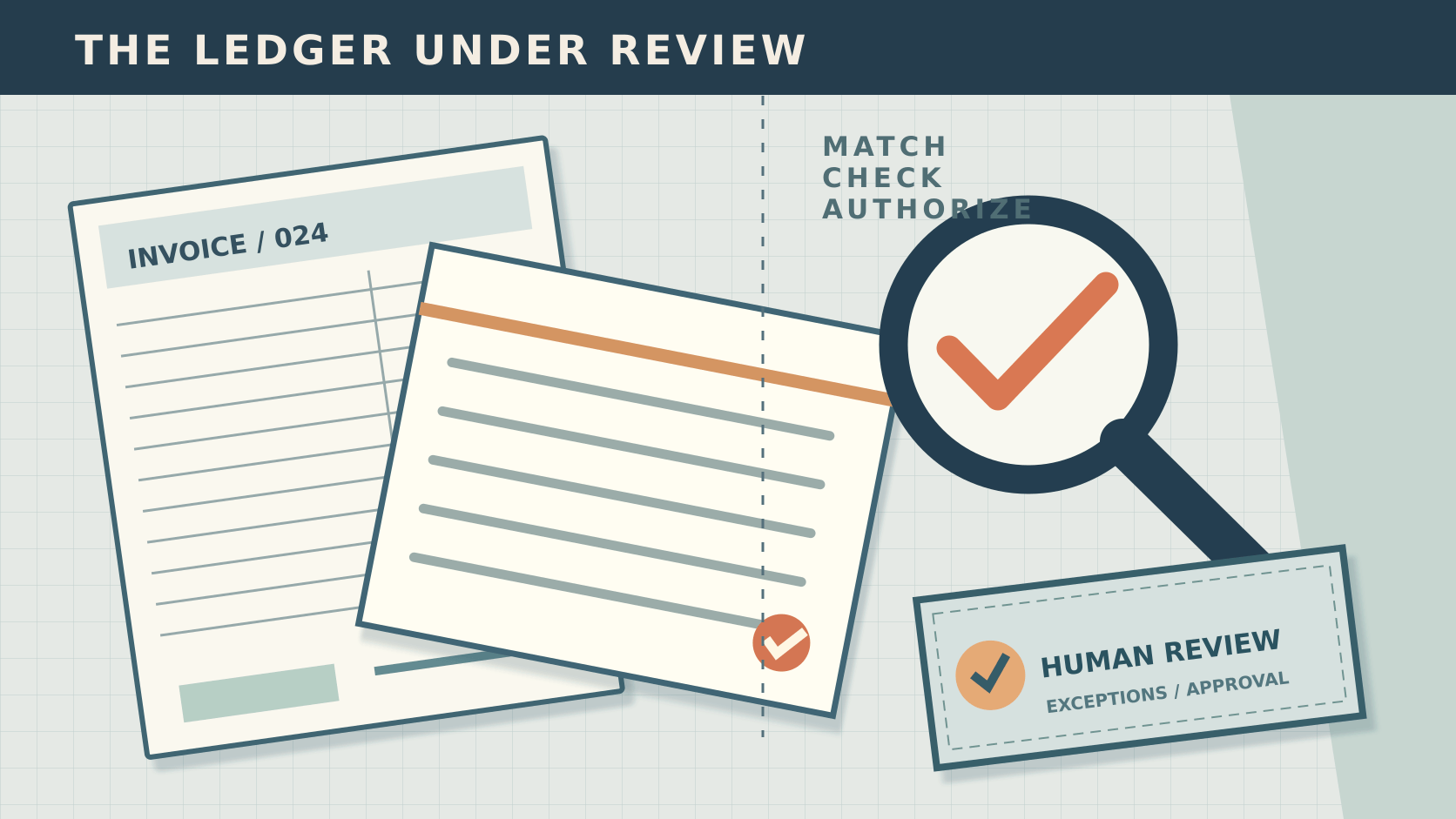
The operational ambition is to connect decisions that normally sit in separate technical and commercial systems. ADNOC says its multi-year partnership will use OpenAI Frontier alongside its existing reservoir-focused ENERGYai technology. G42 will provide UAE-based AI infrastructure, with human experts retaining oversight of consequential decisions.
The first applications show what that means. One will combine subsurface, facilities and economic studies into integrated field-development plans. Another aims to connect production, refining, logistics, sales and trading so that operational choices can be considered alongside commercial consequences. These are the company’s stated development goals, rather than independently demonstrated outcomes.
The work between applications
Frontier is an enterprise platform OpenAI introduced in February, not a new model unveiled with this agreement. OpenAI describes it as a way to build, deploy and manage agents with shared business context, feedback, identities and explicit permissions. Its product explanation emphasizes connecting information held in different systems.
The distinction is useful for understanding an industrial deployment. A model can analyze a document or answer a technical question. A system intended to coordinate work across departments also needs access to the relevant records, rules governing what it can do, and a way to evaluate its output. OpenAI presents Frontier as infrastructure for those requirements.
In ADNOC’s case, a field-development proposal and a commercial assessment are meant to inform one another. The important test will be whether connecting their information improves the decisions people make, rather than merely producing a plan faster.
At ADIPEC, OpenAI chief executive Sam Altman also identified energy infrastructure as an AI constraint, Reuters reported. The relationship runs both ways: an energy producer is adopting AI while AI expansion requires energy.
The announcement does not establish how much this deployment will improve output, returns or environmental performance. ADNOC describes accelerated planning and better coordination as expected benefits; those claims require results from the actual system. Human oversight is part of the announced design, not proof that every operational risk has already been resolved.
The next useful evidence would show how plans are checked, which actions agents can take, and how often experts reject or revise their recommendations. That would reveal more about the partnership’s practical value than the number of business functions it intends to connect.
Publication history
— First published.
No published corrections or earlier versions.
How this was made
UpThat uses AI-assisted research and writing. Source checking and publication follow our editorial review workflow. See the original documents above to assess the reporting.
How we use AI ↗